

When it comes to precision manufacturing, choosing the right process can make all the difference. Let’s compare fineblanking with conventional stamping to see why fineblanking stands out in key areas.
1. Edge Quality:
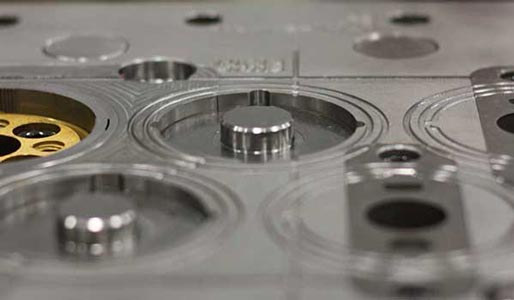
In conventional stamping, rough edges are often left behind, necessitating additional finishing steps to achieve the desired quality. Fineblanking, on the other hand, ensures clean, flat, and smooth edges, significantly reducing the need for extra finishing and saving valuable time and resources.

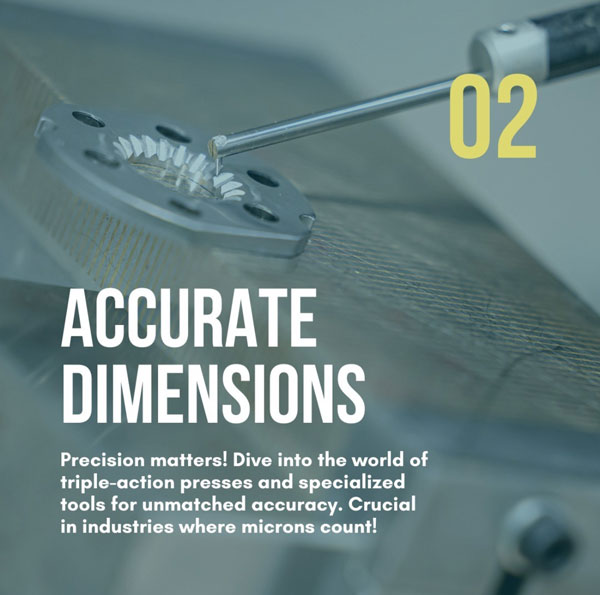
2. Accurate Dimensions:
Precision is crucial in many industries, where even microns count. Fineblanking excels in this area thanks to its triple action presses and specialized tooling, allowing for unmatched dimensional accuracy. Whether it’s a tight tolerance for automotive parts or intricate aerospace components, fineblanking delivers the precision needed for these demanding applications.
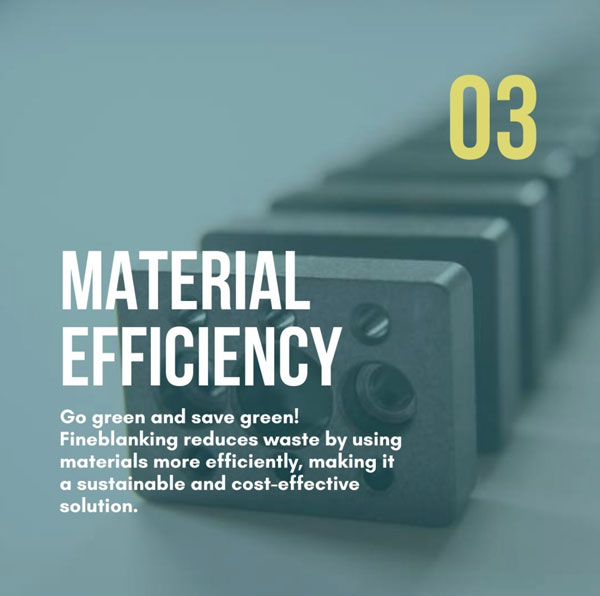
3. Material Efficiency:
In a world that’s becoming more conscious of sustainability, material efficiency is a key consideration. Fineblanking stands out by using materials more effectively, reducing waste, and contributing to a more sustainable production process. This not only benefits the environment but also offers cost savings, making it a smart choice for manufacturers.
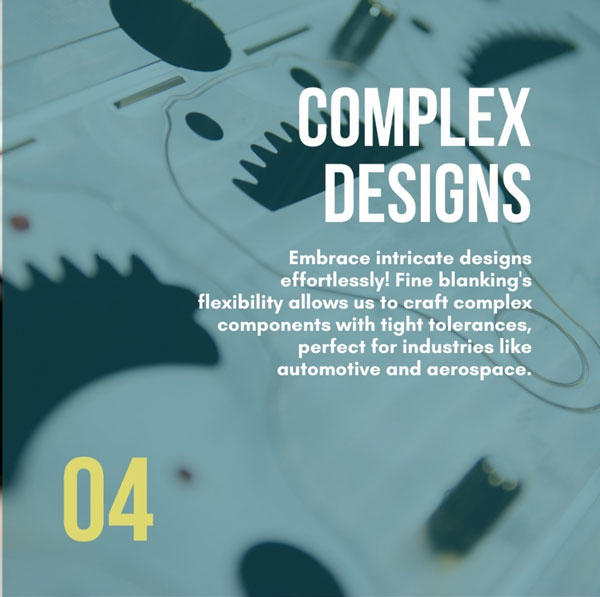
4. Complex Designs:
Fineblanking is the go-to process for creating intricate designs with tight tolerances. While conventional stamping can struggle with complexity, fineblanking’s flexibility allows manufacturers to craft complex components effortlessly. Industries like automotive and aerospace benefit from this capability, as they require parts with both detailed designs and precise specifications.
Conclusion
At Precision Resource, fineblanking is our core expertise. We focus on providing superior edge quality, unmatched accuracy, and material efficiency, all while crafting complex designs that meet the strictest industry standards. Our commitment to fineblanking ensures that we deliver high-performance, cost-effective components for industries such as automotive, aerospace, and more. When precision and reliability matter most, fineblanking is the process of choice — and it’s what we do best.