


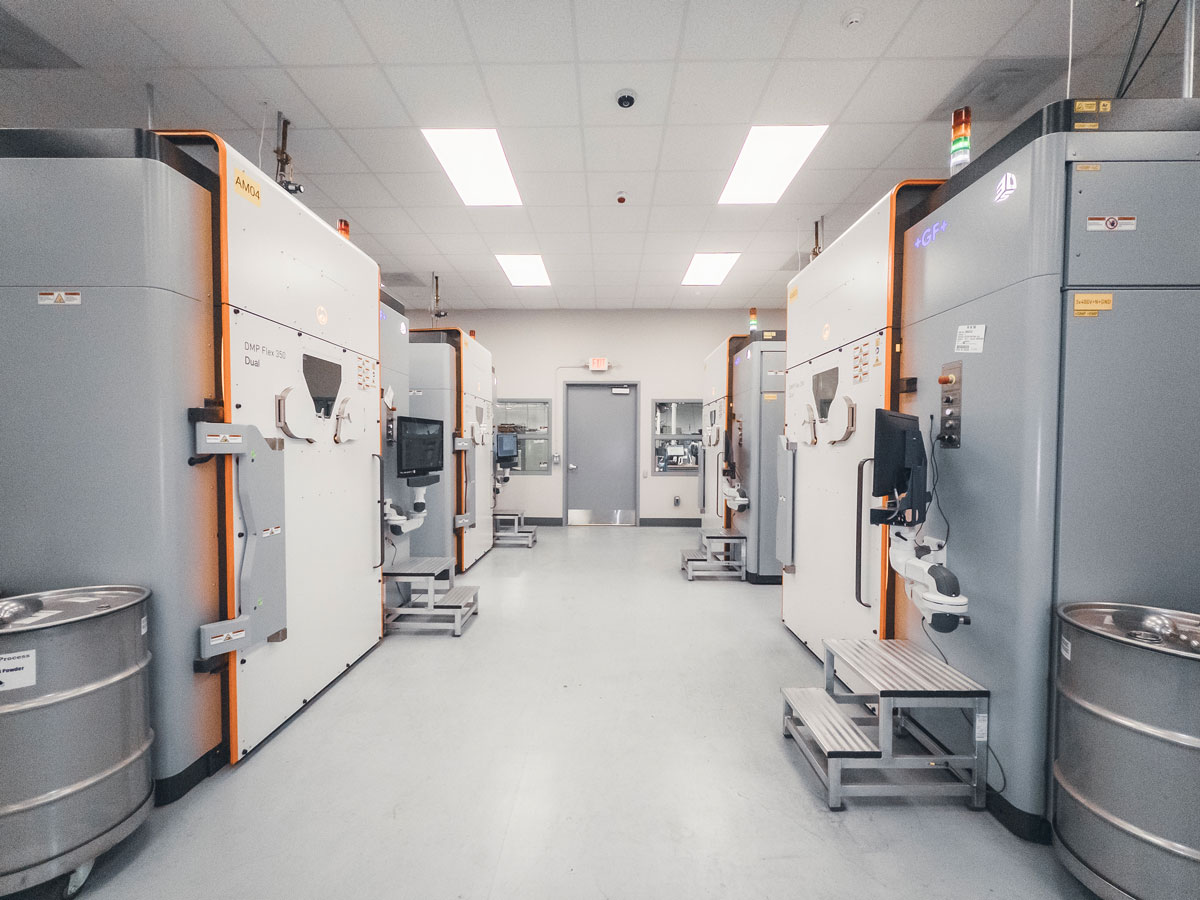
Chris Gratton, Director of Additive and Machining Operations at Precision Resource, explores how advanced manufacturing is reshaping aerospace and defense readiness
For decades, aerospace and defense acquisition strategies have been structured around long development cycles, stable requirements, and globally
optimized supply chains. That model is now under pressure from shifting mission needs, geopolitical volatility, workforce constraints, and faster technology refresh cycles.
As a result, there is an increasing focus on industrial capabilities that can reduce the time from design to qualified hardware. This is driving wider adoption of
advanced manufacturing methods, including additive manufacturing, precision machining, and more integrated production approaches.
These technologies are helping to reduce lead times, support faster prototyping, and simplify increasingly complex supply chains. In parallel, they are enabling
closer alignment between design, engineering, and manufacturing functions earlier in the development process.
In aerospace applications, additive manufacturing is being used for components such as thermal management systems, propulsion elements, and
lightweight structural parts, particularly where complexity or iteration speed is critical.
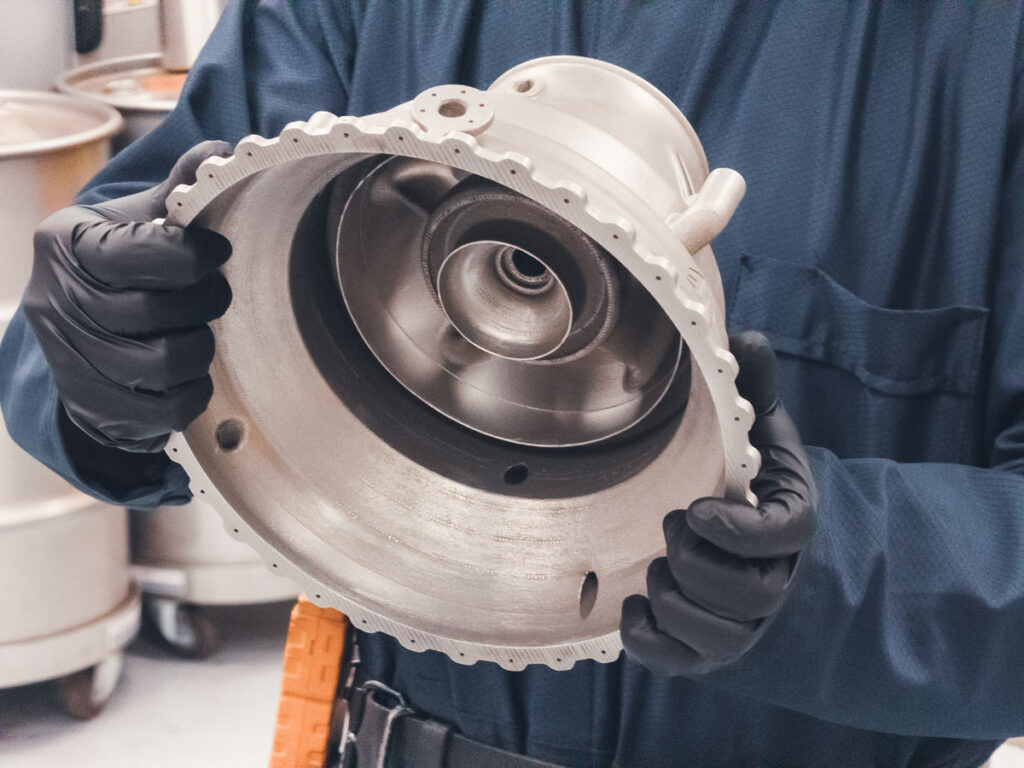
In defense contexts, it is increasingly considered as part of broader efforts to improve responsiveness and supply chain resilience, alongside traditional production methods.
Another notable trend is the gradual shift towards more distributed and regionalized manufacturing networks. This approach is intended to improve supply chain resilience, reduce exposure to single points of failure, and improve responsiveness to program changes or surges in demand.
Across the sector, procurement priorities are also evolving. Traditional measures such as unit cost and production capacity are increasingly being assessed alongside factors such as lead time, supply chain visibility, resilience, and execution certainty.
At the same time, the integration of advanced manufacturing into established certification and qualification frameworks remains a key consideration, particularly in regulated aerospace and defense environments, where consistency and traceability are essential.
In this context, acquisition at speed is increasingly understood not just as a production objective, but as a broader requirement for maintaining industrial readiness and delivering capability within compressed operational timelines.